|
The Federal Style utilizes many
Neo-Classical elements used in Georgian architecture. Federal is an interpretation of the Greek and Roman
classical styles; an American style which was derived from English
Neo-Classicism but simpler than Georgian. The Federal style became
more common by the end of the 1780 in public buildings.
Themes:
This architecture achieved elegance
through curved, oval or elliptical features such as room design, window
bays and added surface details making a marked difference to that of the
simple Colonial period
Exteriors:
Facade: The exteriors are identified by a narrow tall
balanced symmetrical features with a center doorway, equal number of
window on either side and decorative shutters. Designers and
Architects of the Federal period embraced the simplicity of the Greek
Revival movement often utilizing Doric and Ionic/Scamozzi Columns as
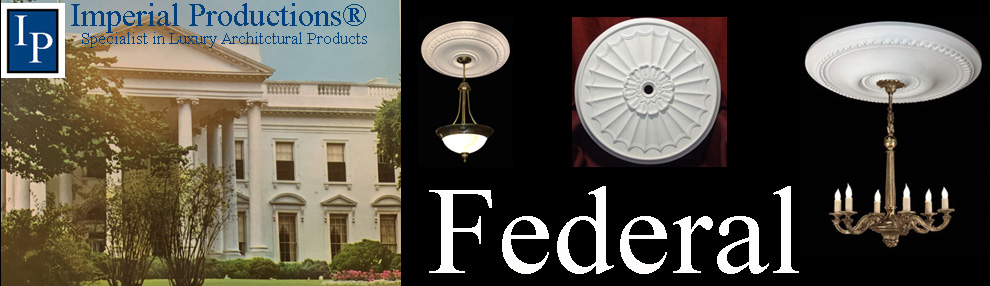
seen in the photo of the White House above
Brickwork:
Brick were red with two tone colors called Flemish bond brick pattern.
It had an alternated header (end of the brick) with stretcher the side
or length of the brick making it much stronger than simply lining up the
stretchers on top of each other. Townhouses designs employ
columns and squared entablatures rather than rounded ones.
Porticos:
Portico's of large homes gradually increased in size with large Porticos
in form of multi-storey galleries as seen in southern USA mansions.
Roofs:
concealed hip or low pitched roofs behind balustrades. At the
roof line the softit area was decorated with modillion blocks.
Main Entrance:
Federal homes had central entry way with
fanlights above the door and sidelights to sides of the doors. Doorways
are often framed with
Pilasters and surrounded by delicate
wood carvings.
Exterior Door mouldings featured
classical motifs, pilasters, with headers and corner blocks. Interior
door casing were framed with Flat Doric
Pilasters.
Windows: Federal windows
were elongated with thin glazing bars and ovolo shaped profiles with
pediments above doors and windows
Above the front door on the second floor was a signature palladian
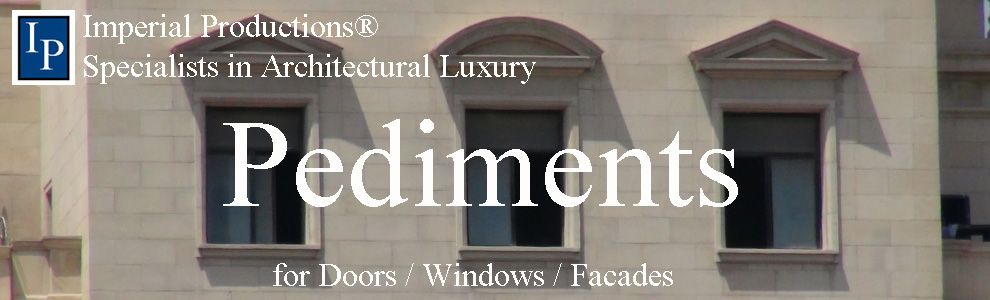
window - a large 3 part window with a central arch. Window pediments
often had flat keystones. Rounded and Triangle
Pediments were used above doors and windows.
Windows often had bowed bays.
Interiors:
Interiors were more open concept with
primary room planned off the center hall. Typically there are ovals shapes on
walls, vaulted ceilings, and framed doors with pilasters and headers.
Great rooms had large
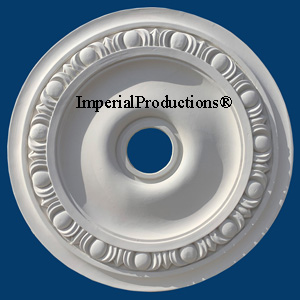
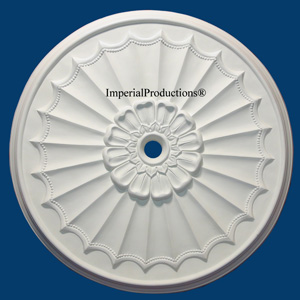
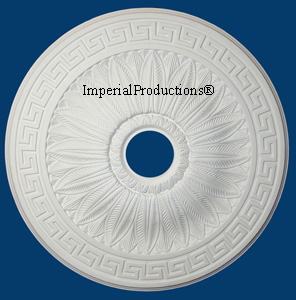
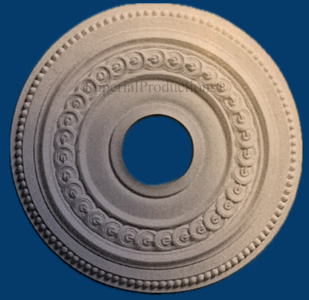
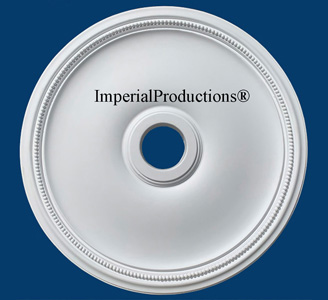
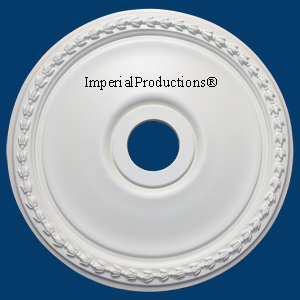
Federal ceiling medallions and
crown mouldings with wainscotting
reduced by the end of the period and
Boiserie on the walls
and ceilings and
ceiling medallions. Elements utilized are flat geometric shapes such as patera (an elliptical relief), plaques, swags, bellflowers, urns, beads,
and swirls.
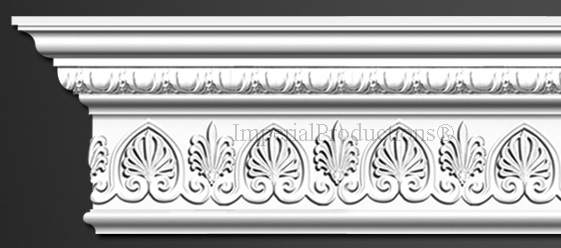
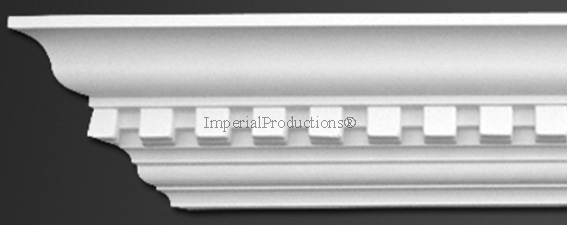
Crown Mouldings:
The size of the cornice is smaller than the earlier Georgian crowns.
Federal engages modillion blocks and dentils.
Fireplace mantels were prominent in each
room to provide decoration and heat as central heating did not exist.
The mantels often had dentil under the crown, columns and centers with
swags and oval
plaques.
Doors were made of
Pine, Maple, Poplar and Cyprus. Interior doors are grained to look like
mahogany. Most doors were 6 paneled with Ovolo mouldings, however Greek
Revival doors had 2 or 4 panels.
Colors:
Unlike the heavy wood paneling of the Georgian Period, Federal interior
colors were lighter and brighter such as light beige, light taupe, pale
green and blue - all muted colors.
Martin Richards Design
|